The Old Market in Dubai: Traditions and Transformations


Intro
The Old Market, or souq, of Dubai stands as a testament to the emirate’s storied past, weaving together a tapestry of rich traditions and evolving practices. It is more than just a commercial hub; the souq embodies the essence of community life, acting as a meeting point for locals and visitors alike. The vibrant atmosphere, filled with the sounds of merchants and the enticing aromas of spices, tells stories of exchange that date back hundreds of years.
In this exploration, we will dissect the transformative journey of the Old Market, shedding light on its historical significance, how trading practices have shifted over time, and its socio-cultural impact on modern Dubai. The narrative serves not just as a window into the past but as a lens through which to understand the market's role in shaping the financial landscape of today.
As we navigate through the layers of the Old Market, it becomes evident that despite the rapid modernization encroaching upon Dubai, its roots remain deeply embedded in tradition. This article aims to unearth the complexities of these dynamics, offering real insights into why the souq still holds a crucial place in the heart of the city, both culturally and economically.
Let’s delve deeper into the vibrancy of the Old Market and its continuing relevance in an ever-changing world.
Historical Context of the Old Market
The Old Market in Dubai, or the "souq", stands as a testament to the city's prosperous trading past. Understanding its historical context is crucial to grasping the identity of Dubai today. The market represents more than just a shopping destination; it encapsulates the essence of trade relations, cultural exchanges, and economic aspirations that have shaped the region for centuries.
Origins of Trade in Dubai
Historically, Dubai was strategically positioned along the trade routes that linked the East and the West, making it a natural hub for commerce. Merchants from various backgrounds, including Persian, Indian, and African traders, would converge here, exchanging goods like spices, textiles, and more. This early influx of trade laid the groundwork for what would eventually evolve into a vibrant marketplace.
The origins of trading practices can be traced back to the 19th century, when pearling was the dominant industry. Families relied heavily on the sea for their livelihood, and trade with neighboring regions flourished. This marked a pivotal moment in the socio-economic structure of Dubai, where the market began to take shape as a place of interaction, negotiation, and community bonding.
Moreover, historical records indicate that Dubai used to hold regular markets where various goods were sold. Over time, this evolved into the vibrant Old Market we know today, creating a legacy that continues to influence Dubai’s economy.
Evolution of the Old Market
As the years rolled on, the Old Market mirrored the changes in Dubai itself. The early 20th century saw a significant shift from a fishing and pearling economy towards a trade-centric approach, spurred by the discovery of oil. This not only transformed the economic landscape but also the very fabric of the Old Market.
In the 1960s, the Old Market began to expand. Traditional stalls evolved into more permanent structures, and the variety of goods increased to cater to a growing population and an influx of visitors.
The significant transformations were not just physical but also cultural. Through the decades, the market became a melting pot where traditions clashed and harmonized. Merchants preserved their unique heritage while embracing new influences, thus fostering a rich tapestry of cultural interactions. For instance, during major events, the market would host vibrant festivals, showcasing local crafts and culinary delights.
Today, while the Old Market still retains its character, it also reflects the modernization of Dubai. Newer trading practices and international influences have been woven into the old fabric, leading to a unique blend that respects its past while looking ahead. The evolution of the Old Market tells a compelling story of resilience and adaptation—a reflection of Dubai itself, as it navigates the currents of a globalized economy.
Architectural Features
The architectural features of the Old Market in Dubai serve as a testament to its enduring history and cultural richness. As one strolls through its narrow alleys, the design elements installed can tell stories of yesteryears while simultaneously catering to modern-day commerce. The physical layout and aesthetics not only hold significance for locals but also attract a multitude of visitors who seek to immerse themselves in a genuine Arabian market experience. Such structural characteristics form a crucial aspect of this article, emphasizing why they deserve a closer inspection.
Traditional Design Elements
Traditional design elements at the Old Market reflect a unique blend of functionality and beauty. Take the wooden mashrabiya, for example, often adorned with intricate carvings. These latticed screens serve not just as decorations, but as effective means to allow air circulation while providing privacy from the bustling streets below. Moreover, the high ceilings, often adorned with beautiful local motifs, create an airy ambiance, where vendors passionately interact with customers, enticing them with their wares.
- Courtyard Spaces: Central courtyards are not merely an architectural choice; they foster community interactions.
- Arched Doorways: The arches, with their elegant curves, are designed to juxtapose light and shadow, creating a vibrant environment within the marketplace.
These design features, deeply rooted in Emirati tradition, serve to create a harmonious and welcoming atmosphere, reflecting a philosophy that intertwines form with function.
Materials and Construction Techniques
The materials and construction techniques employed in the Old Market are as important as the design elements themselves. Traditionally, the use of coral stone and mud bricks, sourced from the very heart of Dubai, lends authenticity to the structures that stand today. Characteristically, these materials are not just eco-friendly but also provide natural insulation against the harsh desert climate.
In recent times, however, some vendors have begun to incorporate modern elements into their stalls, such as glass cases and synthetic materials. This adaptation, while perhaps diluting the historical essence, illustrates the market's ongoing evolution. It reflects the need to balance traditional authenticity with the demands of contemporary commerce.
- Sustainable Practices: Using locally sourced materials supports both cultural heritage and sustainability.
- Craftsmanship: The skills of artisans who have passed their techniques through generations enable the revival of ancient construction methods.
Cultural Significance
The Old Market in Dubai, with its labyrinthine alleys and vibrant stalls, serves as more than just a marketplace; it embodies a cultural tapestry woven from centuries of tradition, trade, and community interaction. The significance of this space transcends commerce—it reflects the heart and soul of Dubai’s diverse population. This section will underscore the intricate relationships formed here and how they shape social fabric and cultural identity.

Community Interactions
Community is at the core of the Old Market. It is a place where people from different walks of life converge, representing a microcosm of Dubai’s demographic diversity. Locals and visitors alike mingle, exchanging not just goods but stories and cultures. This interaction fosters a sense of belonging, where connections are formed through simple gestures like bargaining over spices or admiring handcrafted textiles.
Every corner of the market has its unique rhythm. From the spirited banter at the gold souq to the aroma of spices wafting through the air, the market becomes a living organism, pulsating with life. Vendors often become familiar faces, and their knowledge of their products creates a bond with customers. This continuity of relationships is vital in a rapidly modernizing city where personal touch becomes increasingly rare.
Moreover, the Old Market stands as a backdrop for community gatherings and family outings. People often choose this vibrant setting for socializing, reinforcing cultural ties. Market-goers might share a meal at a nearby café, where traditional dishes evoke nostalgia and familiarity. It’s common for families to pass down shopping traditions, further rooting them in the cultural landscape.
Festivals and Events
Festivals infuse the Old Market with an infectious energy, transforming it into a hub of celebration. Numerous cultural events, often aligned with Islamic holidays or local traditions, draw crowds and enliven the market atmosphere. For instance, during Ramadan, the market flourishes with special foods and decorations, creating a festive ambience that attracts both locals and tourists.
During events like the Dubai Shopping Festival, the Old Market often features unique selling points, showcasing local artisans and their handcrafted products. Such initiatives not only boost sales but also elevate traditional crafts, reminding visitors about the significance of local artistry. They foster an appreciation for heritage while giving vendors a stage to shine.
These events offer more than just shopping opportunities—they are avenues for cultural exchange. Travelers get a taste of local customs, flavors, and perhaps even participate in traditional crafts.
"The Old Market is not just about what you can buy; it's about experiencing the essence of Dubai itself."
Through celebrations and day-to-day interactions, the distinctive aroma of spices mingles with laughter, creating a rich tableau of communal living. The Old Market reinforces the notion that places are not merely physical spaces but they hold power to cultivate community identity and belonging.
Economic Impact
The Old Market, or souq, in Dubai holds substantial importance in understanding the city’s economic fabric. It is more than just a marketplace; it serves as a hub that connects various aspects of Dubai's economy, from local entrepreneurship to international trade. This section delves into the economic significance of the Old Market, reflecting on how it has shaped and supported the community while also acting as a catalyst for growth in various sectors.
Role in Local Economy
The Old Market has always been at the heart of Dubai's local economy, providing not only goods but also opportunities for countless individuals. Small businesses, often family-owned, thrive here, showcasing products that range from vibrant textiles to aromatic spices. For locals, the souq is a source of livelihood, offering jobs in areas such as retail, hospitality, and artisan crafts.
- Job Creation: The marketplace is responsible for a significant number of jobs. By drawing in vendors from various backgrounds, it fosters community and diversity.
- Support for Artisans: Many craftsmen find their niche in the Old Market, selling handmade items that reflect the rich cultural heritage of the region. This not only sustains traditional art forms but also promotes craftsmanship.
- Economic Circulation: Transactions in the souq stimulate local economic circulation, as money spent here often stays within the community. This, in turn, enhances community development, leading to improved living standards.
Investor interest in the area has led to a resurgence of traditional commerce integrated with modern retail practices. Such opportunities create a virtuous cycle of economic activity that supports the local populace while inviting global investors to participate in Dubai’s dynamic market.
Tourism and Trade Revenues
The Old Market is a remarkable draw for tourists, acting as a bridge between visitors and authentic cultural experiences. Tourists from around the world flock to the souq, enchanting them with its vibrant atmosphere and an array of products that tell stories of Dubai’s rich history.
The volume of foot traffic translates into significant trade revenues, and here's how:
- Visitor Spending: Tourists engage in shopping and dining within the market, spending money that bolsters the local economy. Visitors often seek unique souvenirs or local delicacies, thus diversifying the economic impact beyond just traditional goods.
- Cultural Tourism: The Old Market promotes cultural tourism, which often brings investments aimed at preservation and enhancement of the market setting. By showcasing the soul of Dubai, the market becomes an essential part of the tourism experience.
- Event Hosting: Various festivals and events hosted in and around the souq not only celebrate local culture but also serve to attract larger crowds, boosting sales during these occasions and strengthening economic ties.
In summary, the role of the Old Market in economic terms is multifaceted. It nurtures local entrepreneurship while simultaneously acting as a powerful magnet for tourists, thereby driving trade revenues. As Dubai continues to grow, the Old Market stands as a significant player in fostering economic resilience and providing an authentic experience that resonates with both residents and travelers alike.
Key Products and Offerings
The Old Market in Dubai stands as a testament to the rich tapestry of culture and commerce that has shaped the city over the centuries. This market, steeped in tradition, is not only a vibrant hub for locals and tourists alike but also a showcase of products that tell the story of Dubai's trading history. The items one finds here are more than mere goods; they symbolize the intersection of history, culture, and the economy. Let's explore two of the most captivating categories: spices and textiles, and jewelry and handicrafts.
Spices and Textiles
When you stroll through the narrow alleys of the Old Market, your senses are assaulted by a myriad of aromas wafting from countless stalls. The spice sellers expertly display mountains of turmeric, cardamom, and saffron, to name just a few. It’s often said that the essence of a culture can be found in its flavors. In this regard, Dubai is no exception.
- Diversity and Quality: The spices available in the Old Market not only cater to the local palate but are also sought after by chefs and culinary enthusiasts globally. The quality of these spices can be traced back to the historic trade routes, which established Dubai as a vital trading post for exotic goods. Traders and merchants have built a reputation over generations for sourcing the best spices from across the region, making it a focal point for culinary exploration.
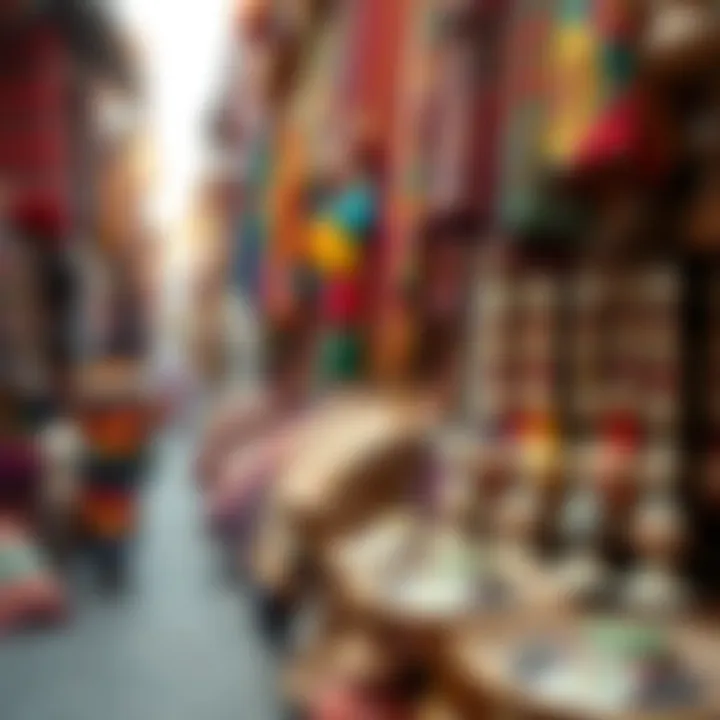
- Textiles that Tell Tales: Alongside the spices, the market is adorned with vibrant textiles, weaving stories of their own. From intricate pashminas to colorful silks and traditional Arab garments, each piece has its unique tale. The textiles are often handmade, reflecting age-old traditions and craftsmanship that have been passed down through the generations.
These elements not only attract buyers but also provide insight into the trading practices of the time. The rich interactions between different cultures facilitated a blend of styles and techniques that thrive even today in the Old Market.
"In every grain of spice and every thread of fabric, the Old Market encapsulates the spirit of Dubai's history and the cultures that have converged here."
Jewelry and Handicrafts
Another cornerstone of the Old Market is its dazzling array of jewelry and handicrafts. The jewelry trade in Dubai is legendary, drawing enthusiasts from around the world.
- Gold Souk: The Gold Souk, within the Old Market, is a must-visit. Rows upon rows of shops flaunt lavish gold creations that are a feast for the eyes. Dubai is often referred to as the City of Gold, and for good reason. The competitive pricing and beautifully crafted pieces hold immense appeal for investors and collectors.
- Handcrafted Artisanal Items: Beyond the sparkle of gold, the market brims with handcrafted items that reflect the rich artistic traditions of the region. Local artisans dedicate time and skill into creating intricate carvings and fine ceramics, each piece bursting with character. These handicrafts not only contribute to the sensory experience of the market but also support local economies by preserving age-old techniques in an age of mechanization.
Modernization and Challenges
The Old Market in Dubai, a historical hub of trade and culture, stands at a crossroads amidst the waves of modernization sweeping through the city. This section sheds light on the complexities and implications of transforming a traditional marketplace into a space that can accommodate contemporary economic demands while preserving its rich heritage. Understanding this delicate balance is crucial for investors, buyers, and designers interested in the commercial and cultural potential of the market.
Impact of Urban Development
Urban development in Dubai is akin to an unstoppable tide, reshaping the landscape at lightning speed. As skyscrapers and luxury malls emerge, the Old Market faces both opportunities and hurdles. One of the most pressing concerns is the encroachment of modern infrastructure on the traditional trading environment. The influx of tourists can be double-edged; while it provides a boon for local vendors, it can also dilute the market's authenticity, leading to commercialization that prioritizes profit over tradition.
With the rise of mega-projects like the Dubai Mall and surrounding areas, many smaller traders in the Old Market find themselves competing against sleek retailers. This competition can stifle small business growth, forcing them to adapt quickly. Some vendors have begun to incorporate technology, using social media platforms to attract new customers and showcase their unique offerings. For instance, a spice merchant that once relied on foot traffic may now engage buyers online, bridging the gap between tradition and modernity.
Moreover, developments in urban planning sometimes ignore the small idiosyncrasies that make the Old Market unique. If new buildings overshadow its narrow alleyways and charming stalls, it could rob traders of their local clientele.
"The challenge is to ensure that development and preservation go hand in hand, creating a harmonious blend that respects the past while embracing the future."
Adapting to Global Market Trends
As the world becomes increasingly interconnected, local businesses must adapt to the broader market trends that influence consumer behavior. The Old Market's ability to cater to this shift is paramount. Gone are the days when a merchant could rely solely on the established clientele from the local region. Now, it’s essential to understand global consumer preferences and shopping habits.
Traders are beginning to rethink their merchandising strategies, responding to an international audience's desires. For instance, instead of just offering local textiles, some vendors are curating a selection that reflects global fashion trends, appealing to tourists who are keen on souvenirs that speak to broader aesthetic movements.
This adaptability can also mean incorporating eco-friendly practices, which are gaining traction around the world. Vendors who embrace sustainable methods can attract environmentally conscious consumers, which expands their market significantly. High-quality, hand-crafted goods with a story behind them are increasingly favored over mass-produced items.
To remain relevant, many traders are leveraging digital solutions, from e-commerce platforms to mobile payment systems. Such tools not only improve customer experience but also simplify inventory management and transaction processing.
In summary, the Old Market must navigate the nuances of modernization while staying true to its roots. The path ahead is fraught with challenges, yet it also presents a wealth of opportunities for those willing to innovate without losing sight of tradition. The key will be finding a balance that honors the legacies of traders past while accommodating the tastes and expectations of a changing world.
Preservation Efforts
The preservation of the Old Market in Dubai is not just a nod to nostalgia; it's a vital measure to maintain the cultural fabric and historical significance of the area. As the rapid urban development continues to redefine the skyline of Dubai, preserving this market becomes ever more critical, ensuring the stories of yesteryears stay alive for future generations to appreciate.
Cultural Heritage Initiatives
Efforts to preserve the Old Market often take the form of cultural heritage initiatives, many organized by the government and local enterprises. These initiatives emphasize educating both locals and tourists about the rich history embedded in the market’s stalls. For instance, workshops and exhibitions are regularly held where artisans showcase traditional crafts, allowing visitors to experience first-hand the skills that have been passed down through generations.
Moreover, the application of traditional architectural styles in new constructions around the market signals a merged respect for the past with the vibrancy of modernity. This harmonious blend often attracts architects and designers eager to draw inspiration from the crafts of local artisans.
Below are a few key elements often involved in these initiatives:
- Workshops: Hands-on experience where participants learn about traditional crafts.
- Exhibitions: Display of historical artifacts and storytelling areas.
- Public Awareness Campaigns: Efforts to educate the public on the market’s significance.
In promoting these efforts, policy-makers embrace community involvement. Local residents play an integral role in voicing their opinions about what aspects of the market should be preserved, ensuring that the market remains authentic rather than becoming a soulless recreation built for tourists.
Role of Non-profit Organizations
Non-profit organizations have a crucial stake in safeguarding the Old Market’s traditions. These entities often serve as a bridge between the community and larger preservation efforts. With their grassroots approach, they facilitate fundraising activities aimed at generating resources for restoration projects.
One prominent non-profit organization involved in this domain focuses on archaeological research, surveying sites connected to both the cultural and economic history of the area. Such work ensures that any modern developments respect the historical footprints of the Old Market.
Benefits of collaboration with non-profits include:
- Funding for Preservation Projects: Grants and donations can be allocated to restore old structures and promote traditional crafts.
- Collaborative Partnerships: Local businesses can partner with these organizations for educational events that emphasize heritage.
- Volunteering Opportunities: Local residents can engage directly in preservation efforts, fostering a sense of ownership and pride in their cultural heritage.
Visitor Experience


The Visitor Experience in the Old Market of Dubai is not just about shopping; it's an immersion into the city’s vibrant culture and rich history. Visitors come to savor the unique atmosphere, where the sights and sounds of the market create a dynamic tapestry of life. Unlike sterile malls, the Old Market offers an authentic glimpse into Dubai’s past, setting it apart in a rapidly modernizing metropolis.
Navigating the Market
Navigating the Old Market can feel like stepping into a time machine, where traditional paths lead visitors through a maze of stalls brimming with colors and scents. A few pointers can enhance this experience:
- Orient Yourself: The Old Market, or souq, is divided into sections, each with its own distinct personality. Popular areas include the Spice souq, where aromatic spices fill the air, and the Textile souq, showcasing vivid fabrics.
- Local Guides: Hiring a local guide can significantly enrich the experience. These guides often have stories and insights that add depth to your visit, revealing hidden history in the crevices of ancient buildings.
- Time It Right: Planning your visit for early morning or late afternoon can enhance your experience. The hustle and bustle during these times can be electrifying, as local vendors prepare for the day's trade.
- Engage with Locals: Strike up conversations with shop owners. They often have fascinating stories about the items they sell and their experiences in the market. You might stumble upon a gem of wisdom or a family story that gives your purchase a richer meaning.
"The souq is not just a marketplace but a living museum where the past is vividly present. Engage deeply, and you'll leave with stories, not just souvenirs."
Authentic Shopping Practices
Shopping in the Old Market is an art form itself, reflecting the time-honored practices of bargaining and personal interaction that shape the true essence of commerce in Dubai. Here are some guiding principles for ensuring an authentic experience:
- Haggling with Respect: Bargaining is expected but should be approached with good humor and respect. Start by offering a price lower than what you are willing to pay, allowing room for negotiation. This not only gets you a better deal, but also fosters goodwill between you and the vendor.
- Support Local Artisans: Seek out local craftspeople selling handmade goods. Buying directly from these artisans not only supports the community but also assures you that you are getting a truly unique item.
- Ask Questions: Don’t be shy to ask about products. Whether it’s the origin of a spice or the story behind a piece of jewelry, engaging with vendors can deepen your appreciation for your purchases.
- Purchase Experience, Not Just Items: Look for products that tell a story. Items like authentic oud, a traditional perfume, or unique textiles with cultural significance can serve as conversation starters long after your visit.
- Use Local Currency: Always carry some cash in local currency, the dirham. It can help you avoid excess fees associated with credit cards and enables you to keep track of your spending better.
The Old Market continues to evolve, yet it remains a vital link between the past and present, drawing visitors into its heart. Engaging genuinely and appreciating the surrounding culture can transform an ordinary shopping trip into an unforgettable experience.
Future Prospects
As we stand on the precipice of further change within the Old Market, it’s clear that the future holds significant potential. This section delves into the various dimensions of future prospects for the Old Market, examining sustainability initiatives and the potential for growth that might not only redefine its role in Dubai's economy but also secure its place in the cultural narrative for generations to come.
Sustainability Initiatives
In an age where environmental consciousness is paramount, sustainability emerges as a keystone of future endeavors in the Old Market. Initiatives geared towards reducing waste and embracing eco-friendly practices are becoming more vital. These efforts range from implementing recycling programs to promoting local artisan products that are less dependent on foreign imports.
Such initiatives can profoundly impact both the community and the market's economy. For example, local farmers might sell organic produce directly to vendors, cutting down carbon footprints and stimulating the local agricultural sector. Additionally, awareness programs on sustainable shopping can engage both locals and tourists, fostering a culture that respects the environment while enjoying cultural heritage.
- Supporting Local Producers: Emphasizing local crafts reduces reliance on mass-produced goods and strengthens the community's economy.
- Green Spaces: Encouraging merchants to maintain gardens around their shops can enhance the market’s ambiance and draw in more visitors.
- Zero Waste Goals: Striving for a zero-waste marketplace can be a game changer, promoting a culture of conservation.
Such commitments could carve out a niche for the Old Market, making it a prime destination for ecologically-minded consumers while preserving its rich heritage.
"A sustainable future is not only about minimizing harm; it's about actively creating a beneficial environment for all."
Potential for Growth
Looking toward the horizon, the potential for growth in the Old Market is promising. As Dubai continues to position itself as a global hub for tourism and commerce, the Old Market can leverage this status to attract a broader audience. This potential doesn’t just lie in the expansion of physical space but also in innovation and adaptation to current market trends.
A few avenues of growth include:
- Digital Integration: Introducing e-commerce platforms for local vendors could enhance sales and reach an international audience. This modern twist allows traditional merchants to connect with younger, tech-savvy shoppers who crave authenticity in their purchases.
- Expanded Markets: Creating themed markets that align with international festivals—like food festivals or art shows—could introduce diverse offerings, luring visitors eager to experience Dubai's fusion of tradition and modernity.
- Cultural Exchange Programs: Establishing partnerships with international markets can enhance cultural exchanges, creating opportunities for educational programs about Dubai’s trade history.
All these aspects highlight the Old Market’s ability to evolve while remaining true to its roots. The willingness to adapt to the changing landscape, whether through technological enhancements or community-focused approaches, will determine its success in the years to come.
Epilogue
The exploration of the Old Market in Dubai reveals a vibrant tapestry woven through centuries of trade, culture, and community. As the thread of its history is interlaced with modernization, the market stands as a testament to the ingenuity and adaptability of traditional practices in today’s fast-paced world.
Summary of Findings
This article has highlighted several key points that encapsulate the significance of the Old Market:
- Historical Context: The origins of trade in Dubai laid the foundation for what the market has become today. From humble beginnings, it evolved into a crucial economic hub and cultural landmark.
- Architectural Heritage: The unique design elements and construction techniques of the market tell a story of both tradition and innovation, capturing the essence of Emirati heritage.
- Cultural Interactions: The market serves as a melting pot of diverse cultures and communities, facilitating interactions that go beyond mere commerce, fostering relationships that enrich social fabric.
- Economic Contributions: Its role in the local economy cannot be overstated, acting as a magnet for tourism and trade, fueling growth and opportunities for local entrepreneurs.
- Modernization Challenges: As urban developments reshape the landscape, the market faces challenges but also opportunities to adapt, preserving its legacy while integrating with global trends.
- Preservation and Future: Various initiatives underline the importance of preserving the Old Market—through cultural heritage projects and growth potential assessments, the future looks promising yet demanding.
Reflections on the Old Market's Role
The Old Market embodies more than just a commercial space. It's a living museum, pulsating with the stories of merchants, artisans, and families who have traded here for generations. Its role in contemporary society raises some poignant questions about identity and future. As Dubai hurtles towards modernization, the market offers a reminder of the values that underpin local culture.
"In the heart of a global city, the Old Market stands as a paradox—a blend of the ancient and the contemporary, a reminder that while times change, the essence of community remains constant."
The survival of the Old Market hinges on tapping into modernizing trends without losing its soul. Investors, designers, and cultural advocates must unite to ensure that this iconic space continues to thrive, holding onto its traditions while embracing the winds of change. Discussions surrounding its future are crucial, prompting stakeholders to consider ways to enhance its offerings—whether through enhancing visitor experiences or ensuring that homegrown products maintain a spotlight.
In summary, as investors and market enthusiasts, the ongoing evolution of the Old Market presents not only potential returns but also an opportunity to participate in the preservation of a cultural gem that transcends mere commerce. The journey of this market reflects broader societal transformations and offers a rich source of insights for understanding Dubai's unique identity.